Lake Manyara National Park, Tanzania, is a small but incredibly diverse safari destination, known for its tree-climbing lions, large elephant herds, and spectacular birdlife. Nestled at the base of the Rift Valley escarpment, the park offers breathtaking landscapes, from lush groundwater forests to the alkaline waters of Lake Manyara. Its unique ecosystems make it one of the most rewarding stops on the northern safari circuit.
Wildlife
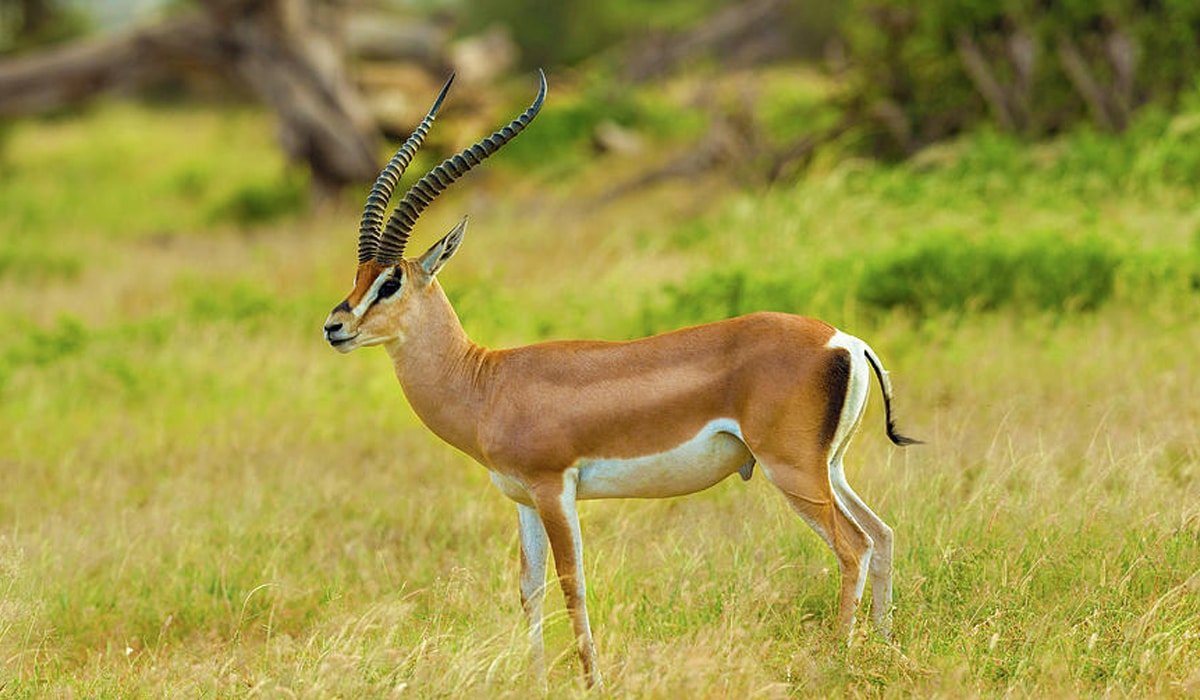
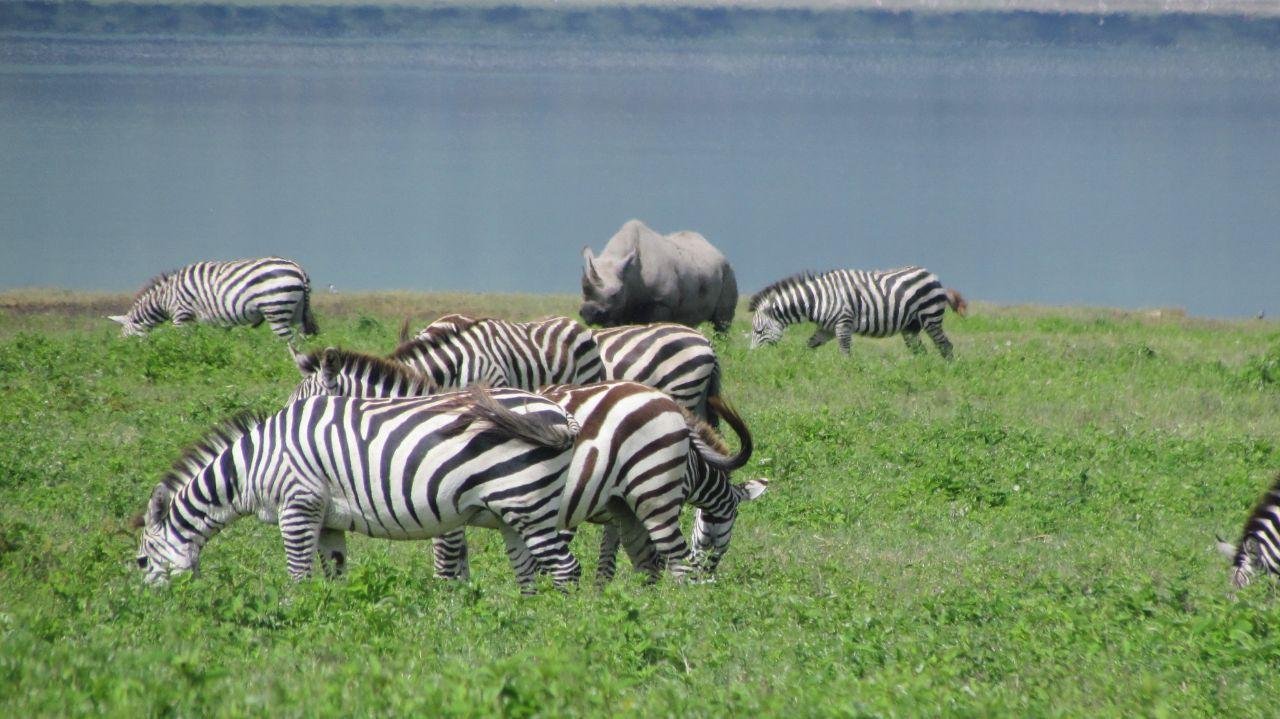
Lake Manyara is famous for its tree-climbing lions, a rare behavior seen in only a few places in Africa. Visitors can also encounter elephants, giraffes, zebras, wildebeest, hippos, and baboons. The park is also home to predators such as leopards and hyenas, making game drives full of surprises.
Bird Watching
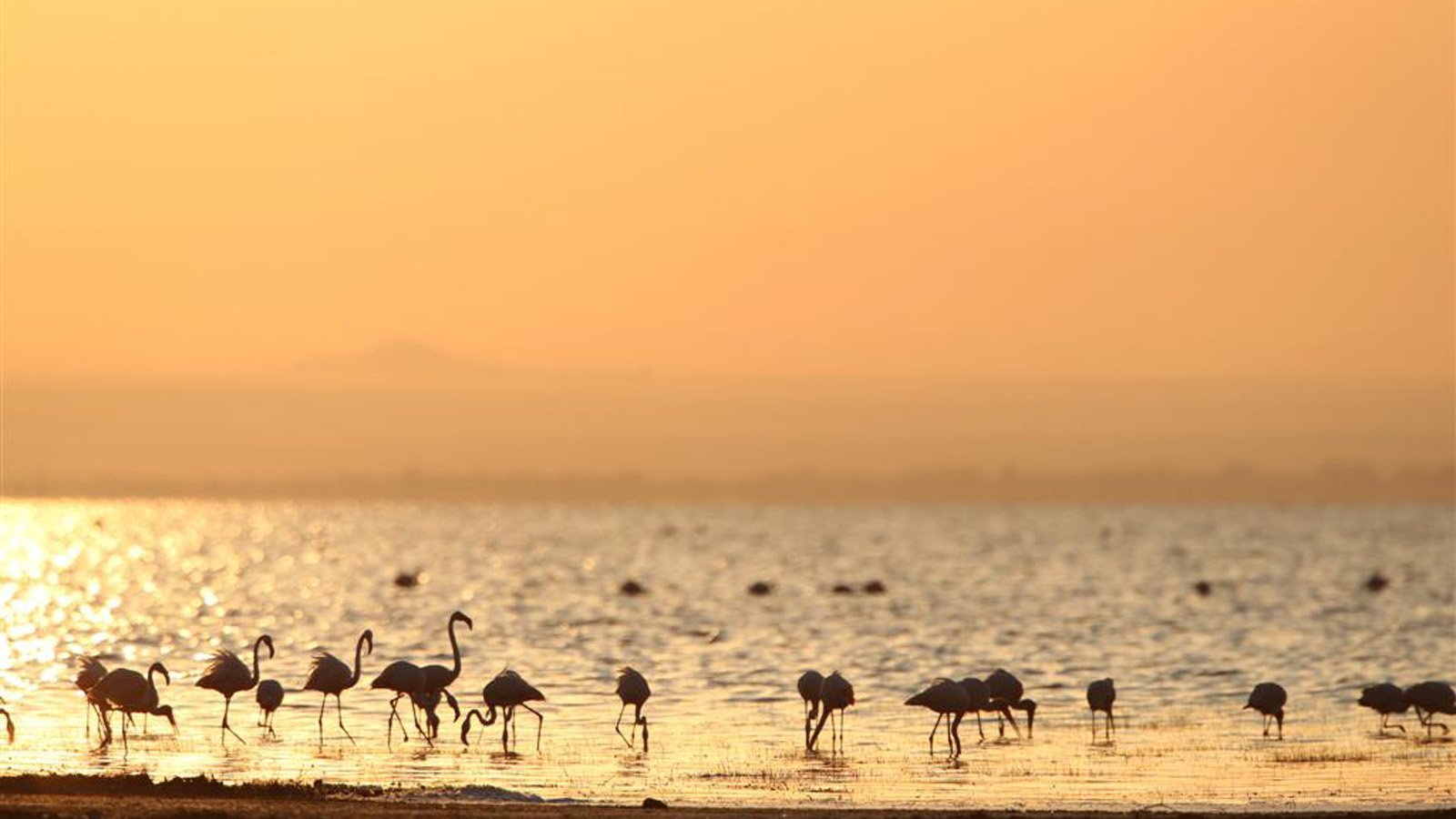
Bird enthusiasts will find Lake Manyara a true paradise, with over 400 recorded species. The alkaline lake attracts thousands of flamingos, pelicans, storks, and cormorants. Raptors like fish eagles and kingfishers thrive around the lake, providing exceptional bird-watching opportunities.
Scenic Beauty
The park’s scenery is breathtaking, ranging from dense forests and open grasslands to hot springs and the vast soda lake. The backdrop of the towering Rift Valley escarpment adds to its dramatic beauty.
Activities
Visitors can enjoy classic game drives, night safaris, and bird-watching tours. Canoeing on the lake (when water levels permit) offers a unique perspective of the park. Cultural tours in nearby Mto wa Mbu village provide insights into local life.
Best Time to Visit
The best time to visit Lake Manyara National Park, Tanzania, is from June to October during the dry season, when wildlife is easier to spot. However, the wet season from November to May offers lush scenery and is perfect for bird-watching.
Accessibility
Lake Manyara is one of the most accessible parks in Tanzania. It is just a 2-hour drive from Arusha and is often included in itineraries with Tarangire, Ngorongoro, and Serengeti. For quicker access, the park has its airstrip with daily flights.